
At Skills Centre Australia, we understand that learning is about more than simply attending a course. Whether you are completing support worker training, developing new skills, or advancing your career in the care sector, your ability to absorb and retain information plays a critical role in your success.
While quality training and practical experience are essential, many people overlook another important factor: nutrition. The foods we eat can have a direct impact on memory, concentration, focus, and overall brain performance. Choosing the right brain foods for learning can help you stay alert during training sessions, process information more effectively, and improve long-term knowledge retention.
For support workers, retaining information is particularly important. The skills and knowledge gained through training at Skills Centre Australia help ensure clients receive safe, professional, and compassionate care. By fuelling your brain with the right nutrients, you can give yourself the best possible chance of success throughout your learning journey.
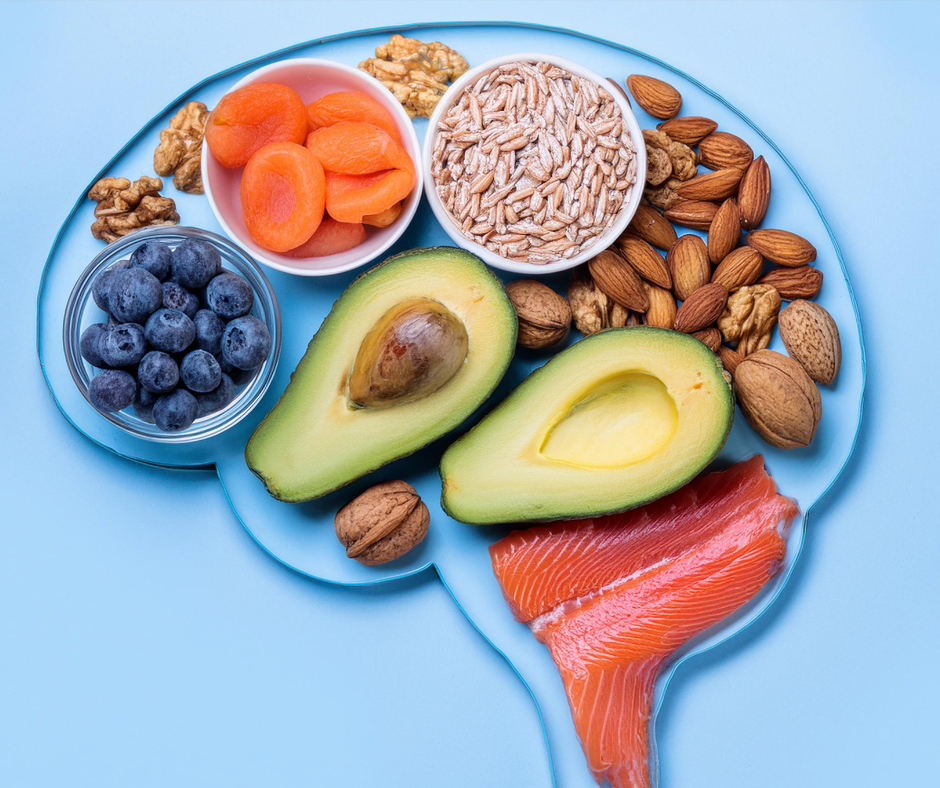
Here are seven of the best brain foods for learning and why they can help support your training goals.
1. Fatty Fish
Fatty fish such as salmon, tuna, sardines, and mackerel are often considered some of the best brain foods for learning.
These fish are rich in Omega-3 fatty acids, which are essential building blocks of brain cells. In fact, the brain is made up of nearly 60% fat, and a significant portion of that consists of Omega-3 fats.
Why It Helps Learning
Omega-3 fatty acids support communication between brain cells and may improve memory, concentration, and cognitive performance. Research has shown that people who consume adequate Omega-3s often experience better mental function and learning capacity.
How It Supports Your Brain
It supports your brain by helping maintain healthy brain cell structure, supporting memory formation, improving concentration and attention, all which assists with long-term cognitive health.
Adding fatty fish to your diet two to three times per week can provide valuable nutrients that support learning and mental performance.

2. Blueberries
Blueberries are often referred to as a “superfood” for the brain, and for good reason.
These small berries are packed with antioxidants, particularly compounds called flavonoids, which help protect the brain from oxidative stress and inflammation.
Why It Helps Learning
Oxidative stress can damage brain cells over time, affecting memory and cognitive function. The antioxidants found in blueberries help protect these cells and support healthy brain function.
How It Supports Your Brain
Antioxidants enhance communication between brain cells, supporting memory and recall, which helps to reduce inflammation and protects against age-related cognitive decline.
Blueberries make an excellent snack before studying or attending training sessions and can easily be added to yoghurt, smoothies, or breakfast cereals.

3. Eggs
Eggs are an affordable and highly nutritious food that contains several nutrients linked to brain health.
One of the most important nutrients found in eggs is choline, which is used by the body to produce acetylcholine, a neurotransmitter involved in memory and learning.
Why It Helps Learning
Neurotransmitters are the chemical messengers that allow brain cells to communicate effectively. Adequate choline intake helps support this communication process.
How It Supports Your Brain
Eggs assist in supporting memory development, which can improve concentration, by assisting brain cell communication, which contributes to overall cognitive function improvements.
Including eggs as part of a balanced breakfast can help prepare your brain for a productive day of learning.

4. Nuts and Seeds
Nuts and seeds provide a powerful combination of healthy fats, protein, antioxidants, and vitamin E.
Common examples include almonds, walnuts, sunflower seeds, pumpkin seeds, and chia seeds.
Why It Helps Learning
Vitamin E helps protect brain cells from oxidative damage, while healthy fats support the structure and function of the brain.
How It Supports Your Brain
Nuts and seeds support long-term memory. They help maintain healthy brain function by providing sustained energy for learning and protecting brain cells from damage.
A small handful of nuts or seeds can be an excellent snack during study breaks to help maintain focus and energy levels.

5. Leafy Green Vegetables
Leafy greens such as spinach, kale, lettuce and broccoli, are loaded with nutrients that support brain health.
They contain folate, vitamin K, lutein, and antioxidants that contribute to healthy cognitive function.
Why It Helps Learning
These nutrients help support brain cell health and may assist with memory, concentration, and information processing.
How It Supports Your Brain
Leafy green vegetables support healthy blood flow to the brain. They provide essential vitamins for cognitive function, which helps protect against mental fatigue and supports long-term brain health.
Adding more vegetables to meals is one of the simplest ways to improve overall nutrition and support learning performance.

6. Dark Chocolate
Good news for chocolate lovers, dark chocolate can actually be beneficial for brain health when consumed in moderation.
Dark chocolate contains flavonoids, caffeine, and antioxidants that may help improve cognitive performance.
Why It Helps Learning
The caffeine provides a mild boost in alertness, while flavonoids may support blood flow to the brain and improve mental performance.
How It Supports Your Brain
Dark chocolate increases alertness and focus, it supports memory and concentration, by enhancing blood flow to the brain and providing antioxidants that protect brain cells. Plus, the best benefit, is that it is delicious.
Choosing dark chocolate with a high cocoa content offers the greatest nutritional benefits.

7. Whole Grains
The brain requires a constant supply of energy to function effectively, and whole grains are an excellent source of slow-releasing carbohydrates.
Examples include oats, brown rice, wholemeal bread, quinoa, and wholegrain cereals.
Why It Helps Learning
Unlike sugary foods that provide a short burst of energy followed by a crash, whole grains release energy gradually throughout the day.
How It Supports Your Brain
Whole grains provide steady energy levels, which can help maintain concentration, reduce mental fatigue, and support sustained learning performance.
Starting your day with wholegrain foods can help maintain focus during training sessions and study periods.

Why Nutrition Matters During Training
When undertaking professional development or support worker training through Skills Centre Australia, your brain is constantly processing new information. Whether you are learning about medication assistance, dementia care, infection control, manual handling, or communication techniques through our introduction to support worker course, your ability to absorb and retain knowledge directly impacts your future practice.
Choosing brain foods for learning can help optimise cognitive performance, improve focus, and support memory retention. While nutrition alone cannot replace effective study habits, it can provide the foundation your brain needs to perform at its best.
Combining a healthy diet with adequate sleep, hydration, physical activity, and quality training creates the ideal environment for successful learning.
Learn More with Skills Centre Australia
At Skills Centre Australia, we are committed to helping students build the knowledge, confidence, and practical skills needed to provide exceptional support to clients and communities.
By supporting your learning with healthy lifestyle choices and incorporating brain foods for learning into your daily routine, you can maximise your training outcomes and improve your ability to retain important information. This not only benefits your own career development but also helps ensure the people you support receive safe, informed, and high-quality care.
When you invest in both your education and your wellbeing, you give yourself the best opportunity to succeed. Skills Centre Australia is here to support you every step of the way as you develop the skills that make a real difference in the lives of others.