Multiple Sclerosis support in Australia is becoming increasingly important as more Australians are diagnosed with this complex neurological condition each year. Multiple Sclerosis (MS) affects thousands of individuals and families across the country, impacting mobility, communication, independence, mental health, and overall quality of life. While there is currently no cure for MS, ongoing research, early intervention, support services, and quality training (through Skills Centre Australia) are helping people live fuller and more independent lives.
At Skills Centre Australia, education and training can play an important role in helping support workers, caregivers, families, and community members better understand MS and provide effective support that promotes dignity, confidence and independence.
What is Multiple Sclerosis?
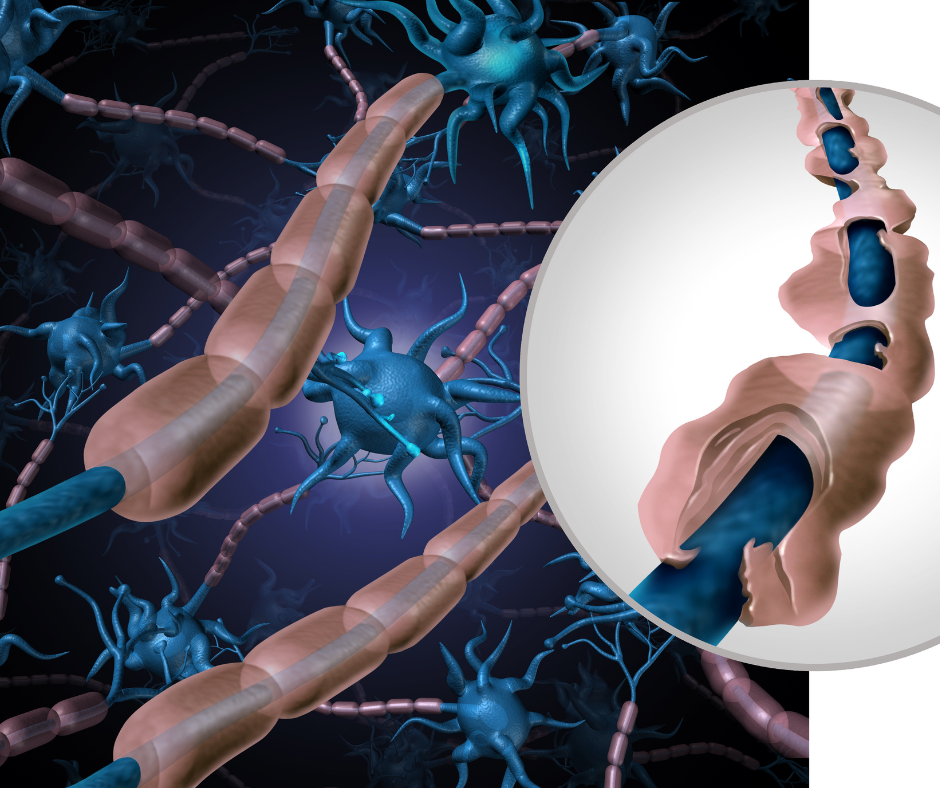
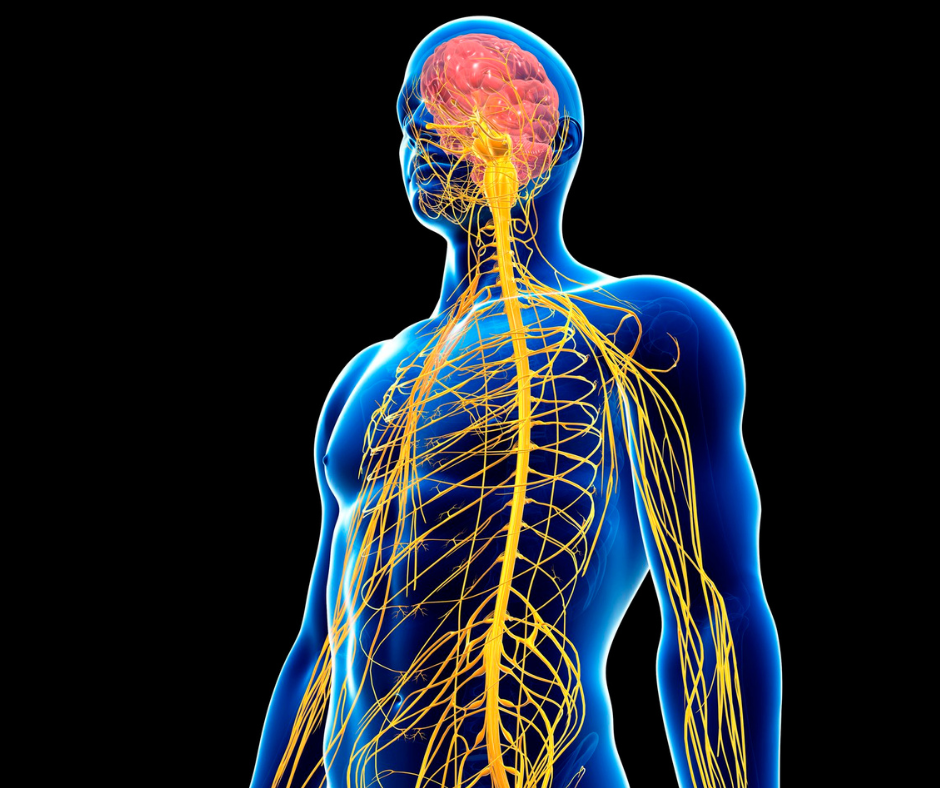
Multiple sclerosis is a chronic disease that affects the central nervous system, including the brain, spinal cord, and optic nerves. Sclerosis is Latin for scarring. MS occurs when the body’s immune system mistakenly attacks the protective coating around nerve fibres, known as the myelin sheath. When the myelin sheath is damaged, communication between the brain and the body can slow or stop altogether.
Because the nervous system controls almost every function in the body, MS symptoms can vary greatly from person to person. Some individuals may experience only mild symptoms, while others may develop significant physical or cognitive challenges over time.
MS is considered an unpredictable condition. Symptoms may come and go, worsen gradually, or remain stable for periods of time. Researchers still do not fully understand exactly what causes MS, although genetics, immune system dysfunction, environmental factors, Vitamin D levels, smoking and viral infections are all suspected to play a role.
How Does Multiple Sclerosis Affect People?
The effects of MS can differ significantly depending on which areas of the nervous system are affected. Many people living with MS experience a combination of physical, emotional, and cognitive symptoms.
Some of the most common symptoms include: fatigue and reduced energy levels, muscle weakness or stiffness, difficulty walking or balancing, numbness or tingling sensations, vision problems or blurred vision, dizziness or vertigo, pain or muscle spasms, memory and concentration difficulties, depression and anxiety, bladder or bowel concerns, and speaking difficulties.
For some people, symptoms may be temporary and manageable, while others may experience progressive disability over time. MS can affect employment, social participation, relationships, and the ability to complete everyday activities independently.
One of the biggest challenges with MS is its unpredictability. A person may appear completely well one day and experience significant fatigue or mobility issues the next. This uncertainty can be emotionally difficult for both individuals living with MS and their support networks.

Types of Multiple Sclerosis
There are three types of MS, named for how the disease attacks the body over time.
Relapse Remitting MS (RRMS)
Relapsing Remitting MS is the most common, accounting for roughly 85% of MS cases. People experience flare-ups or relapses where symptoms worsen, followed by periods of recovery or remission. It works in a continuous pattern. There are clearly defined attacks, with new symptoms or increased severity during attacks. Post-attack, an individual will experience a full or partial recovery. There is no disease-modifying treatment, and over time, the attacks will be less noticeable, but there will be an increased disability level.
Secondary Progressive MS (SPMS)
Secondary Progressive MS can develop in later cases of RRMS. Symptoms will worsen from the start of the illness, but present less often, even without obvious relapses.
Primary Progressive MS (PPMS)
Primary Progressive MS occurs in 10-15% of diagnoses, with few or no relapses and remission periods. However, symptoms will worsen gradually from the start of the illness.
Clinically Isolated Syndrome (CIS)
Clinically Isolated Syndrome (CIS) refers to the first neurological episode that may or may not develop into MS later. To meet the diagnostic criteria for MS, an individual typically must experience two distinct episodes of symptoms. Diagnosis usually involves referral to a neurologist and may include MRI scans, blood tests, or a lumbar puncture. As there is no single test that can definitively diagnose MS, neurologists assess evidence of damage within the central nervous system to determine a diagnosis.
Understanding the different types of MS is important because support needs can vary considerably between individuals.
How Many Australians are Affected by MS?
MS is becoming increasingly common in Australia. According to recent research from MS Australia, there are approximately 33,000 Australians currently living with MS. This represents a significant increase in recent years, with prevalence rising by more than 77% since 2010.
Research also shows that women are more likely to develop MS than men. MS is commonly diagnosed between the ages of 20 and 40. Australia has one of the highest rates of MS globally, and the economic impact of MS in Australia now exceeds $3 billion annually.
These statistics highlight the growing importance of Multiple Sclerosis support in Australia and the importance of Skills Centre Australia’s MS course.
Current Treatments and Research
Although there is currently no cure for MS, treatments have improved dramatically over recent decades. Many people living with MS can now manage symptoms more effectively and maintain independence for longer periods.
Current treatments may include Disease-modifying therapies (DMTs), Physical and Occupational therapies, exercise programs, medications for pain, fatigue, or muscle spasms, mental health support, mobility aids and assistive technology, lifestyle modifications, and nutrition support.
Researchers are also continuing to explore new approaches to treatment, including therapies aimed at repairing the damaged myelin sheaths and slowing the disease progression.
Early diagnosis and intervention are extremely important in improving long-term outcomes for people living with MS.

Living Independently with Multiple Sclerosis
For many individuals, maintaining independence at home is one of the most important aspects of living with MS. With the right support (such as support workers trained through Skills Centre Australia’s MS course), many people can continue living safely and comfortably in their own homes for many years.
Simple supports such as home modifications, mobility support, meal preparation assistance, medication reminders, community access support, fatigue management strategies, social engagement and emotional support, can make a significant difference for someone living with MS.
Support workers and carers who understand the unique challenges of MS can help reduce risks, encourage confidence, and improve overall well-being.
This is where training and education become essential.

How Skills Centre Australia Can Help
At Skills Centre Australia, our courses are designed to equip carers, support workers and healthcare staff with the essential knowledge and skills needed to safely assist individuals to remain independent in their homes. Our Multiple Sclerosis course helps staff gain a better understanding of the neurological complexities around MS and how to provide person-centred support that promotes independence.
Our MS course helps students develop an understanding of the symptoms and progression of MS. They learn safe manual handling and mobility support techniques, how to support clients experiencing fatigue or cognitive changes, promote dignity, choice and independence, and recognise changes in health or wellbeing to create safer home environments for the clients they look after.
At Skills Centre Australia, we strongly believe that education helps workers build confidence when working with clients who have complex or changing needs.
Why Learn at Skills Centre Australia
Multiple Sclerosis is a lifelong and often unpredictable condition, but greater awareness, improved treatments, and quality support are helping Australians live more independent and fulfilling lives.
As the number of Australians diagnosed with MS continues to rise, education and training will remain essential in creating supportive communities and empowering individuals to maintain their independence at home.
Through understanding, compassion, and professional development, training through Skills Centre Australia can help build a more informed and supportive care sector for people living with MS across Australia.