Receiving a new medical diagnosis can be life changing. Whether it is Parkinson’s disease, Multiple Sclerosis, Diabetes, Dementia, Epilepsy, or another complex health condition, the news often brings a mix of emotions. Individuals and their families may feel overwhelmed, uncertain, and worried about what the future will look like.
During these challenging times, access to quality support can make all the difference. Understanding a condition, learning practical care techniques, and having confidence in the people providing support can help reduce stress and improve outcomes for everyone involved.
At Skills Centre Australia, we understand that a new diagnosis affects more than just the individual. It impacts families, carers, support workers, and entire support networks. Through specialised training and education, Skills Centre Australia helps people develop the skills, knowledge, and confidence needed to navigate life after a diagnosis.

Why Support After a New Medical Diagnosis Support Matters
When someone receives a diagnosis, they are often faced with an overwhelming amount of information. Medical terminology, treatment options, care requirements, and future planning can all feel difficult to process.
For families, there is often an added concern of becoming an informal carer overnight. Many people find themselves supporting a loved one without having the knowledge or training to feel confident in their role.
This is where effective training through Skills Centre Australia can help support families with a new medical diagnosis.
Education helps individuals and families understand what the condition is and how it affects the body, common symptoms and how they may change over time, daily care requirements, safety considerations, strategies for maintaining independence and quality of life, and when and how to seek additional support.
Knowledge can transform uncertainty into confidence and help people feel more prepared for the journey ahead.

Skills Centre Australia Supports Both Families and Professionals
One of the unique benefits of Skills Centre Australia is that our training is designed for flexibility, meaning both professional support workers and family members will benefit from training through Skills Centre Australia.
Support workers can access specialised training to better understand specific conditions and develop the practical skills required to provide safe, person-centred care. Families can also participate in training to gain valuable knowledge and hands-on skills that help them support their loved ones at home.
This shared understanding creates stronger support networks and helps ensure everyone involved is working together to achieve the best possible outcomes.
Building Confidence Through Specialist Training after a New Medical Diagnosis
Skills Centre Australia offers a wide range of training programs that support individuals living with complex health conditions and those who care for them. To find more about the course we offer, click here.
These courses provide practical, real-world knowledge that participants can immediately apply in daily care situations.
For someone who has recently received a diagnosis, knowing that their support team has completed relevant training can provide enormous peace of mind.
The Safety Benefits of Trained Support Workers
One of the most important aspects of receiving support for a new medical diagnosis is ensuring care is delivered safely.
Many medical conditions require specific care techniques and monitoring. Without proper training, important warning signs may be missed, or care may not be delivered correctly.
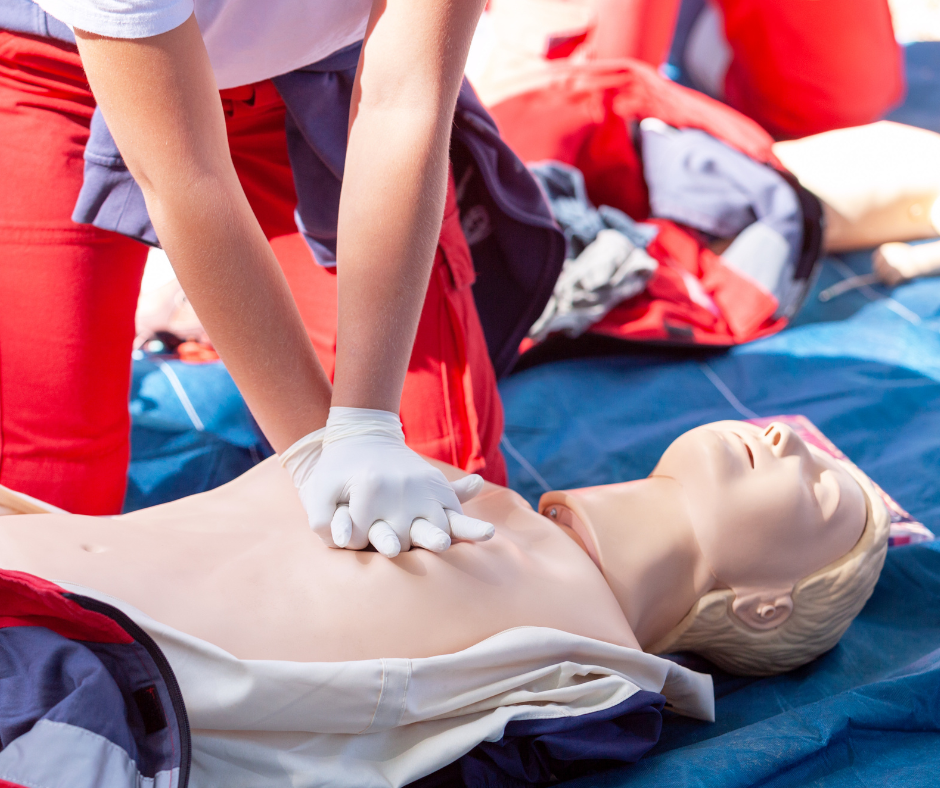
Training through Skills Centre Australia helps support workers understand, risk factors associated with specific conditions, safe care practices infection control requirements, correct emergency response procedures, medication-related considerations, communication techniques and strategies for promoting independence while maintaining safety.
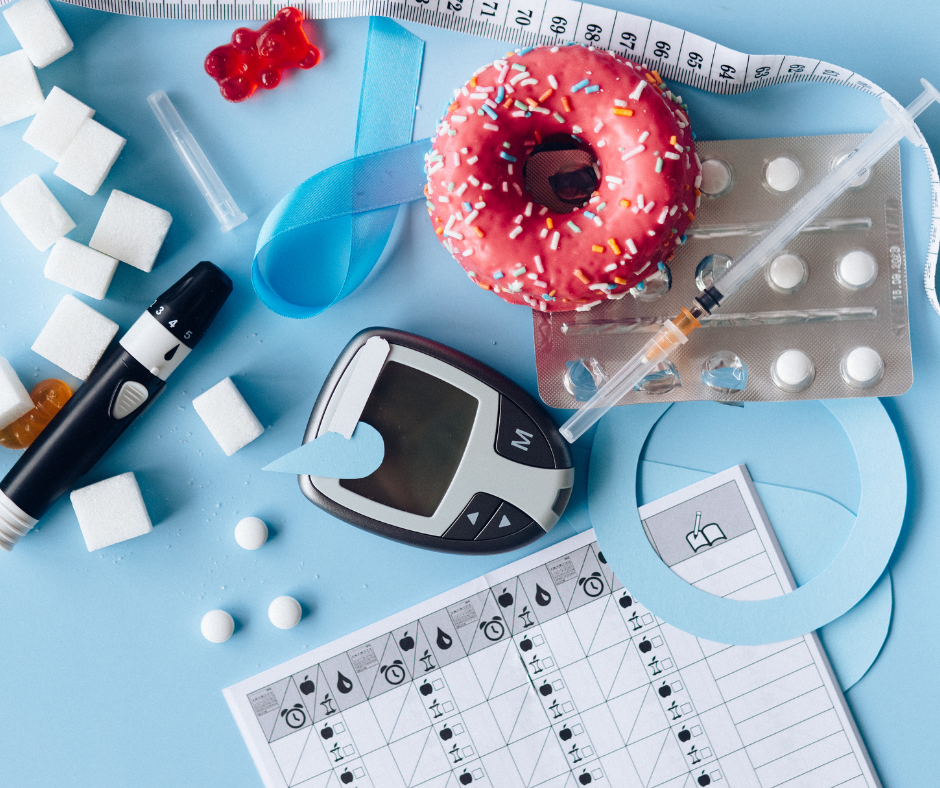
For example, a support worker trained in Dysphagia and Mealtime Support can recognise swallowing difficulties and implement safe eating strategies. A worker who has completed Epilepsy and Seizure Training can respond appropriately during a seizure. Someone trained in Diabetes Management can better understand blood glucose monitoring and potential complications.
These skills contribute to safer care and can help reduce preventable health complications
Reducing the Emotional Burden on Families after a New Medical Diagnosis
A new diagnosis often brings emotional challenges alongside practical ones.
Family members may worry about making mistakes, providing the wrong support, or not recognising signs that something is wrong. Many people experience stress, anxiety, and feelings of responsibility as they adjust to their loved one’s changing needs.
Having access to trained support workers can significantly reduce this burden.
Knowing that support workers have completed training through Skills Centre Australia provides reassurance that care is being delivered by individuals who understand the condition and have the skills required to support it safely.
This can allow family members to spend more quality time with their loved one rather than constantly worrying about care tasks and medical requirements.
Professional support also helps families avoid burnout, which is a common challenge for informal carers providing long-term support.

Understanding the Condition Helps Everyone
Education is powerful.
For many people, one of the most difficult parts of a new medical diagnosis is not knowing what to expect. Understanding how a condition works can help remove fear and uncertainty.
Skills Centre Australia’s training programs provide valuable insights into how various conditions affect the body, behaviour, communication, mobility, and daily living activities.
This knowledge helps, individuals better understand their diagnosis, families prepare for future care needs, support workers provide more effective assistance, care teams communicate more effectively with each other, all ensuring everyone involved makes informed decisions.
When people understand why symptoms occur and how conditions may progress, they often feel more empowered and in control.
Supporting Independence and Quality of Life
A diagnosis does not define a person’s future. With the right support, education, and care strategies, many individuals continue to live active, meaningful, and independent lives.
Skills Centre Australia’s training focuses on person-centred care, helping support workers and families understand how to promote independence wherever possible.
This may include, encouraging participation in daily activities, supporting decision-making, adapting environments for safety, promoting dignity and choice, building confidence and self-esteem.
By focusing on abilities rather than limitations, trained carers can help individuals maintain their independence and quality of life for as long as possible.\

Why Choose Skills Centre Australia?
When a new diagnosis changes life unexpectedly, having access to trusted education and training can make the transition easier.
Skills Centre Australia is committed to helping support workers, families, carers, and individuals develop the skills and confidence needed to provide safe, effective, and compassionate care.
Through specialised training across a wide range of health conditions and care requirements, Skills Centre Australia empowers people with practical knowledge that can be used every day.
Whether you are a family member supporting a loved one, a support worker looking to enhance your skills, or someone wanting to better understand your own condition, Skills Centre Australia provides valuable education that can help you move forward with confidence.
Because when people understand a condition, they are better equipped to manage it, and no one should have to face a new medical diagnosis alone.