Building a Confident, Compliant Team Before the Auditor Arrives
Whether you’re delivering disability support services under the NDIS or providing Support at Home care through the aged care sector, audits are an important part of demonstrating quality, safety, and compliance. While policies, procedures and documentation all play an important role, one of the biggest indicators of an audit ready organisation is its workforce.
An audit ready workforce is more than a team that has simply completed mandatory training. It is a workforce that understands best practice principles, maintains current competencies, follows organisational procedures, and can confidently demonstrate safe, person-centred care every day.
The good news is that building an audit ready workforce doesn’t happen overnight, it happens through consistent investment in training, leadership, documentation, and continuous improvement. Training through Skills Centre Australia enables organisations across the care sector to develop capable, confident teams that are prepared long before an auditor walks through the door.

What Does an Audit Ready Workforce Look Like?
Auditors want to see evidence that an organisation’s people have the knowledge, skills and support required to perform their roles safely and effectively.
Rather than simply ticking compliance boxes, they are looking for a workforce that consistently delivers quality care while understanding the standards and responsibilities that guide their practice.
An audit ready workforce typically demonstrates through current, relevant training, a competency for the tasks they perform, a strong understanding of person-centred care, compliance with organisational policies and procedures, accurate and accessible training records and a culture of continuous learning and improvement.
When these areas work together, organisations are well positioned to demonstrate both compliance and quality service delivery.

Ongoing Training Creates Confident Audit Ready Staff
Training is often one of the first areas auditors examine because it provides evidence that workers have the knowledge required for their role.
Whether the audit is against the NDIS Practice Standards, the Aged Care Quality Standards or another compliance framework, organisations should be able to demonstrate that staff have completed appropriate training that is relevant, current and aligned with their responsibilities.
Regular professional development also shows a commitment to continuous improvement rather than simply meeting minimum compliance requirements.
Skills Centre Australia offers practical, industry-recognised training designed specifically for the disability, aged care and community services sectors, helping organisations keep their workforce knowledgeable, compliant and confident.

Person-Centred Care Should Be Embedded
An audit ready workforce understands that compliance isn’t just about paperwork, it’s about how people are supported.
Auditors regularly assess whether workers understand person-centred care principles and apply them in their daily interactions with clients.
Staff should be able to demonstrate how they, respect individual choice and control, protect privacy and confidentiality, obtain informed consent, promote dignity and independence, respect cultural diversity, advocate for client rights and communicate effectively.
Skills Centre Australia’s Introduction to Support Work course places significant emphasis on these principles, helping organisations build a workforce that provides high quality, respectful care every day.

Staff Should Be Competent for Their Specific Responsibilities
Another key characteristic of an audit ready workforce is ensuring every employee is appropriately trained for the duties they perform.
For example, if staff administer medication, assist with PEG feeding, support clients with epilepsy or diabetes, perform manual handling, or provide personal care, auditors will expect evidence that they have received the appropriate training and competency assessments.
Training should always align with each employee’s actual responsibilities.
Skills Centre Australia provides a wide range of specialised courses such as, Medication and Administration Training, Enteral Feeding Training, Epilepsy and Seizure Training, Diabetes Training, Accredited Manual Handling Training, or Personal Care Training, that support organisations in meeting these requirements while ensuring staff feel capable and confident in delivering safe care.
Competency Matters Just as Much as Course Completion
Completing training is only part of becoming audit ready.
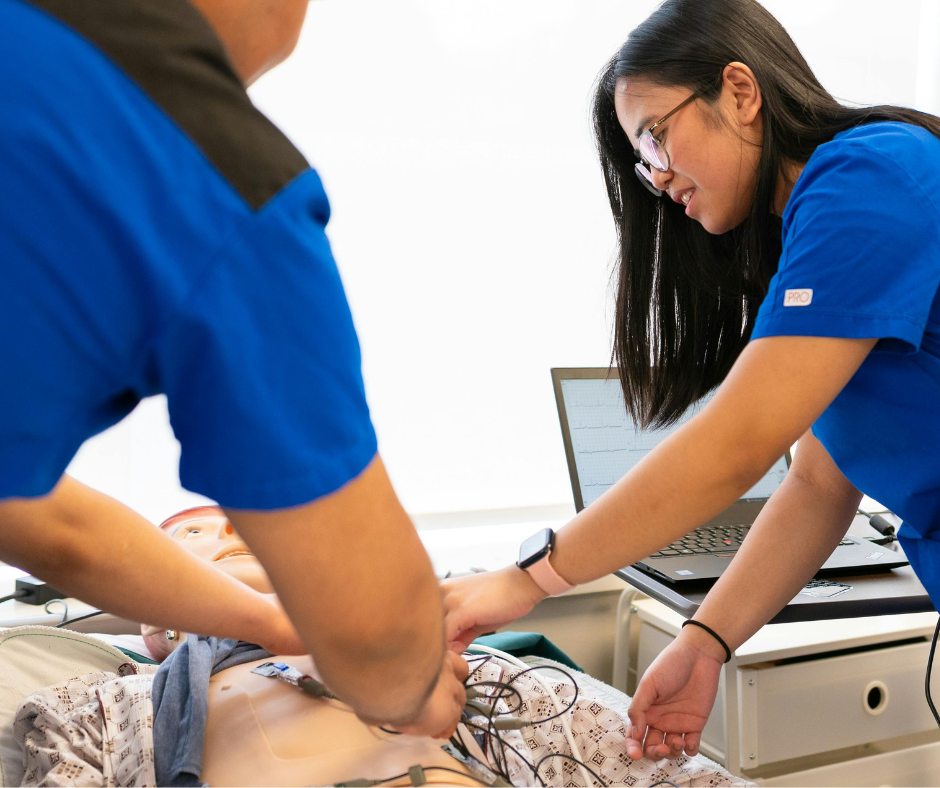
Increasingly, auditors want to see evidence that staff can successfully apply what they’ve learned in real workplace situations.
This may include, practical assessments, workplace observations, competency checklists, scenario-based assessments.
Many Skills Centre Australia courses include practical components and competency assessments, ensuring participants don’t simply understand the theory but can confidently put it into practice.
A capable workforce ultimately creates safer outcomes for clients and stronger audit outcomes for providers.
Strong Documentation Supports Strong Audit Ready Compliance
Even the most highly trained workforce can create unnecessary audit challenges if documentation is incomplete.
Auditors commonly request training records for selected employees and compare those records with the tasks they perform.
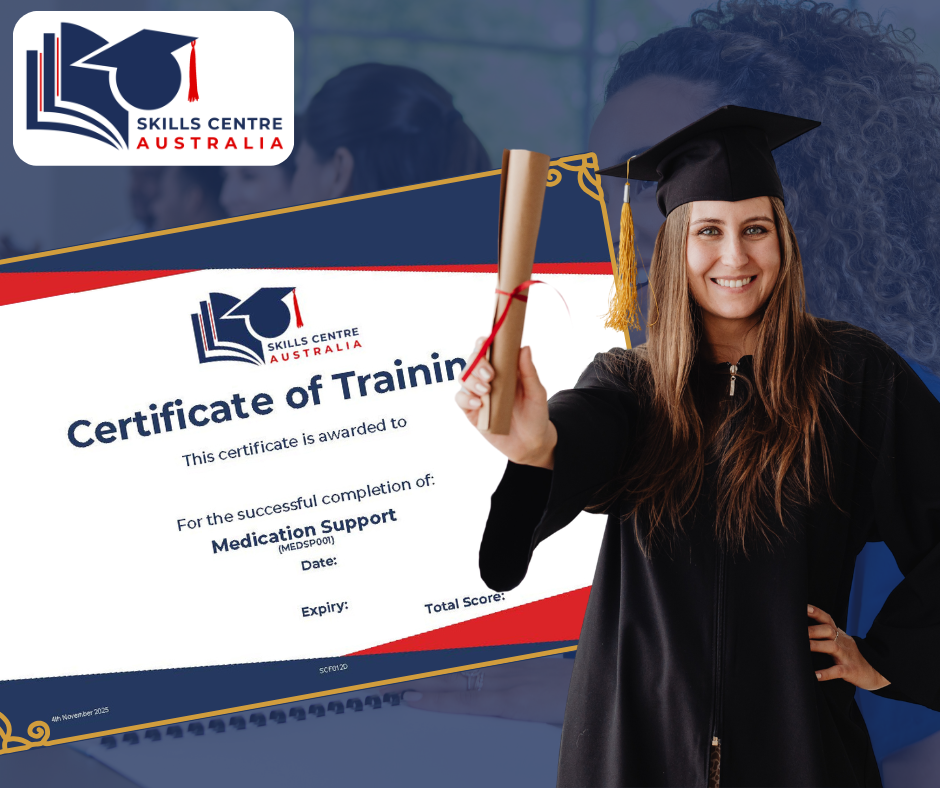
An audit ready workforce should be able to quickly produce training certificates, completion dates, expiry dates, competency assessments, and attendance records.
Keeping records organised, up to date and easily accessible demonstrates good governance and makes the audit process significantly smoother.
Skills Centre Australia provides comprehensive documentation for every course completed, making it easier for providers to maintain accurate workforce records.

Creating a Culture of Continuous Improvement
One of the strongest indicators of an audit ready workforce is a commitment to ongoing improvement.
Rather than waiting until an audit is scheduled, successful organisations regularly review their workforce capability by conducting internal training audits, monitoring qualification expiry dates, reviewing competency requirements, updating policies alongside training, identifying emerging skill gaps and encouraging ongoing professional development.
This proactive approach not only prepares organisations for audits but also improves staff confidence, reduces organisational risk and enhances client outcomes.
How Skills Centre Australia Helps Build an Audit Ready Workforces
Creating an audit ready workforce becomes much easier when organisations have access to high-quality, practical training, like through Skills Centre Australia.
Skills Centre Australia partners with aged care, disability support, community services and healthcare providers to deliver training that supports workforce capability and compliance.
Our courses combine practical learning, competency assessment and comprehensive documentation, helping providers demonstrate the evidence auditors are looking for while developing confident, capable staff.
Whether your team requires core compliance training, specialised clinical skills or ongoing professional development, Skills Centre Australia can help you build a workforce that is prepared for every stage of the audit process.
A Prepared Audit Ready Workforce Creates Better Outcomes
Being an audit ready workforce isn’t about preparing for one day, it’s about creating a workplace where quality, safety and continuous improvement are part of everyday practice.
When staff receive the right training, maintain their competencies and understand the standards that guide their work, audits become an opportunity to showcase the quality of care your organisation provides.
With the support of Skills Centre Australia, organisations can build an audit ready workforce that not only meets compliance requirements but also delivers exceptional outcomes for the people they support.