
As we observe elder abuse awareness day, it is important to shine a light on an issue that affects thousands of older Australians every year. At Skills Centre Australia, we believe education is one of the most powerful tools in preventing harm and promoting dignity, safety, and respect for older people. Through quality training, including our Dementia and Elder Abuse care training, support workers, families, and carers can gain the knowledge needed to identify risks, respond appropriately, and help safeguard vulnerable individuals.
What Is Elder Abuse?
Elder abuse refers to any act, or failure to act, that causes harm or distress to an older person. It can occur in a person’s home, within the community, in residential care settings, or even within trusted family relationships.
One of the most concerning aspects of elder abuse is that it is often committed by someone the older person knows and trusts. This may include family members, friends, carers, neighbours, or service providers.

Elder abuse can take many forms, including:
- Physical abuse, such as causing pain, injury, or physical harm.
- Emotional or psychological abuse, such as intimidation, humiliation, threats, manipulation, or isolation.
- Financial abuse, such as a misuse of money, property, assets, or finances.
- Neglect, such as failing to provide adequate care, food, shelter, medical treatment, or support.
- Sexual abuse, such as any unwanted sexual contact or behaviour.
- Social abuse, such as preventing a person from maintaining relationships, participating in activities, or accessing their community.
Raising awareness is essential because many cases remain hidden, unreported, or misunderstood.

Why Does Elder Abuse Happen?
Understanding why elder abuse occurs is an important part of elder abuse awareness and prevention.
There is rarely a single cause. Instead, elder abuse often develops due to a combination of factors, including:
Family Stress and Caregiver Burnout
Family members who provide care may experience stress, fatigue, financial pressures, or emotional strain. While stress does not excuse abusive behaviour, it can contribute to situations where inappropriate actions occur.
Financial Pressures
Older Australians may have savings, assets, or property that make them targets for financial exploitation. In some cases, family members may pressure older relatives for money or access to financial resources.
Social Isolation
Older people who are isolated from family, friends, and community supports are often at greater risk. Isolation can make it easier for abuse to go unnoticed.
Cognitive Changes and Dementia
People living with dementia may be particularly vulnerable to abuse because they may struggle to communicate concerns, recognise exploitation, or remember events accurately. This is one reason why specialised training like Skills Centre Australia’s Dementia and Elder Abuse care training is so important for those working with older people.
Ageism and Lack of Understanding
Negative attitudes toward ageing can contribute to elder abuse. When older people are viewed as less capable, less valuable, or unable to make decisions, their rights and independence may be overlooked.
Recognising the Signs of Elder Abuse
One of the most important goals of elder abuse awareness is helping people recognise warning signs early.
While every situation is different, there are several indicators that may suggest abuse is occurring.
Physical Signs
This can be unexplained bruises, cuts, burns, or fractures, frequent injuries with unclear explanations, delays in seeking medical treatment, signs of restraint or inappropriate medication use.
Emotional and Psychological Signs
This can be shown as sudden withdrawal from family, friends, or activities, increased anxiety, depression, or fearfulness, low self-esteem or loss of confidence, reluctance to speak openly in the presence of certain individuals.
Financial Signs
Which can be unusual banking activity, missing money or possessions, changes to wills or legal documents that appear suspicious, unpaid bills despite adequate finances or pressure to sign documents without understanding them.
Signs of Neglect
Which can show as poor personal hygiene, malnutrition or dehydration, unsafe living conditions, untreated medical conditions or a lack of appropriate clothing or essential aids.
Social Indicators
Such as isolation from family or community, restricted access to phones, visitors, or social activities, or someone else always speaking on behalf of the older person.
Recognising these signs early can make a significant difference in protecting the safety and wellbeing of older individuals.
The Importance of Trained Support Workers in Elder Abuse Awareness
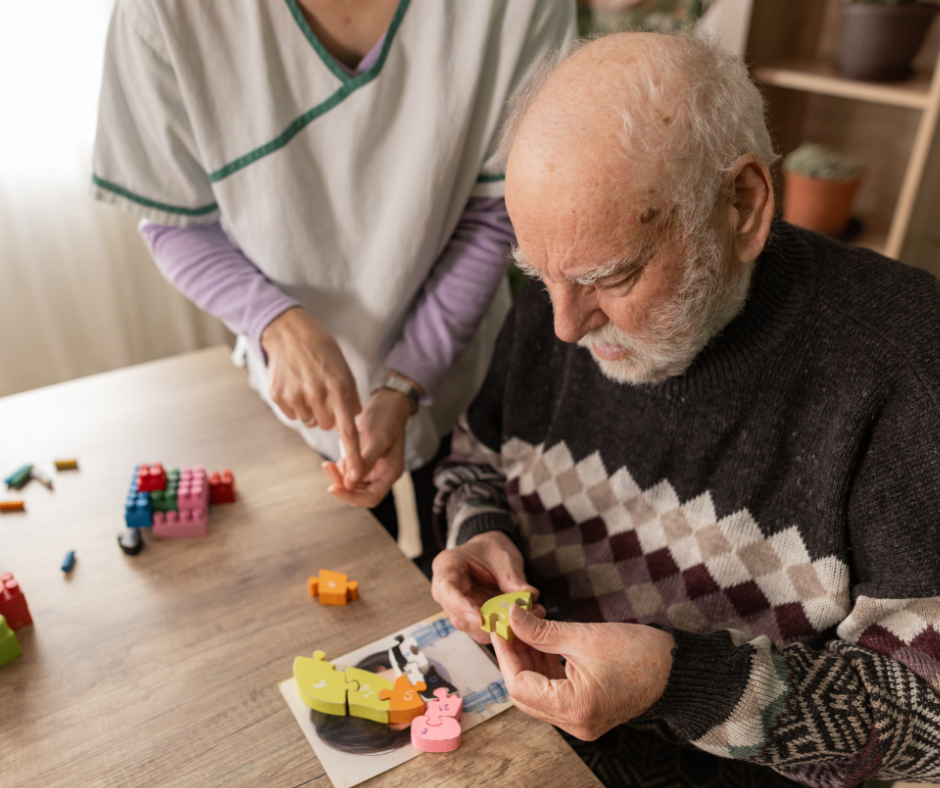
Support workers are often in a unique position to observe changes in a client’s wellbeing. Because they regularly spend time with clients in their homes and communities, they may notice warning signs that others miss.
This is why training plays such a critical role in elder abuse awareness.
A trained support worker is more likely to recognise early indicators of abuse, understand risk factors and vulnerabilities, communicate effectively with older people, maintain professional boundaries, follow appropriate reporting procedures, support client rights, dignity, and choice and can identify concerns relating to dementia and cognitive decline.
Without appropriate training (like through Skills Centre Australia), signs of abuse may be overlooked or misunderstood. In some cases, workers may not feel confident about what to do if they suspect a client is experiencing harm.
Education helps ensure support workers can respond appropriately and contribute to safer outcomes for vulnerable individuals.
Dementia, Vulnerability, and Elder Abuse Awareness
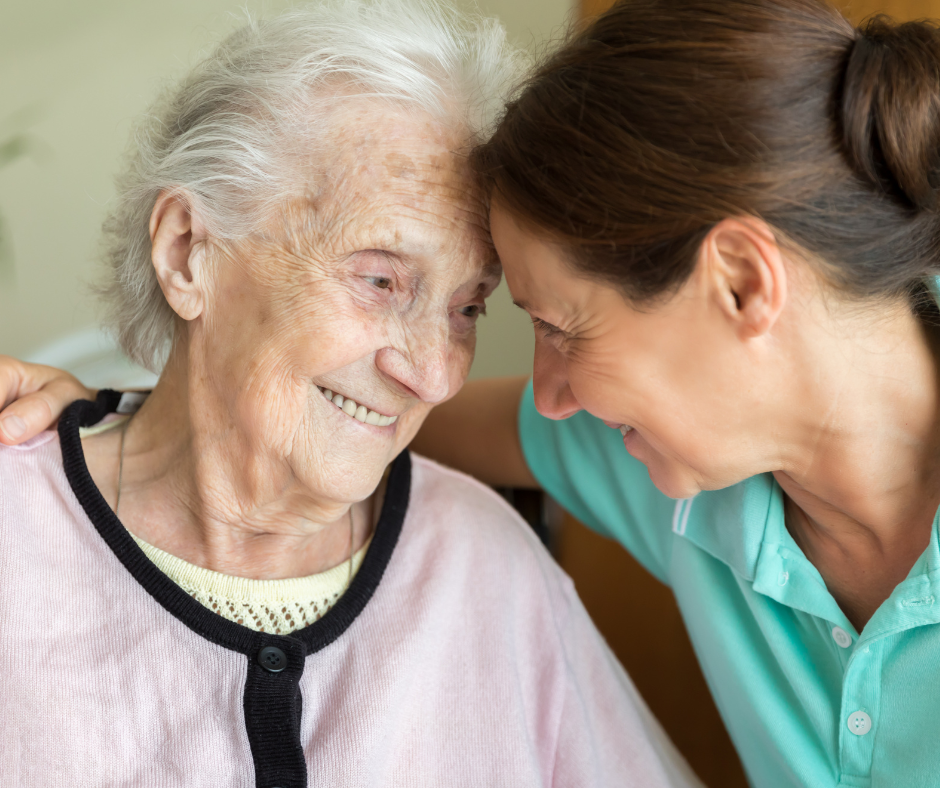
There is a strong connection between dementia and increased vulnerability to abuse.
People living with dementia may have difficulty remembering events, struggle to communicate concerns, become dependent on others for support, experience confusion regarding finances or decision-making, or be less able to recognise manipulation or exploitation.
Because of these challenges, support workers require specialised knowledge to provide safe, person-centred care.
Training through Skills Centre Australia that combines dementia awareness with elder abuse care helps workers understand both the practical and ethical responsibilities involved in supporting older people. It also helps them recognise when a person’s changing behaviours may indicate abuse, distress, neglect, or unmet needs.
How Education Helps Prevent Elder Abuse
Preventing elder abuse requires a community-wide commitment, but education remains one of the most effective tools available.
Training through Skills Centre Australia’s Dementia and Elder Abuse care training helps individuals, understand what elder abuse is, recognise the warning signs earlier, promote the rights of older people, develop safer support practices, improve communication and advocacy skills, create environments where abuse is less likely to occur.
For organisations, investing in staff education helps strengthen safeguarding practices and supports a culture of accountability and respect.

Building a Safer Future Through Elder Abuse Awareness
Elder abuse awareness day serves as a reminder that every older person deserves to live with dignity, respect, independence, and safety. By increasing the understanding of what elder abuse is, why it occurs, and how to recognise the warning signs, we can all play a role in protecting vulnerable members of our community.
At Skills Centre Australia, we are committed to helping support workers, carers, and organisations build the knowledge and confidence needed to make a difference. Our Dementia and Elder Abuse care training provides practical skills and valuable insights to help participants recognise risks, support older people effectively, and contribute to safer care environments.
Together, through education, awareness, and professional development, we can help create a future where older Australians are respected, protected, and empowered to live free from abuse.