
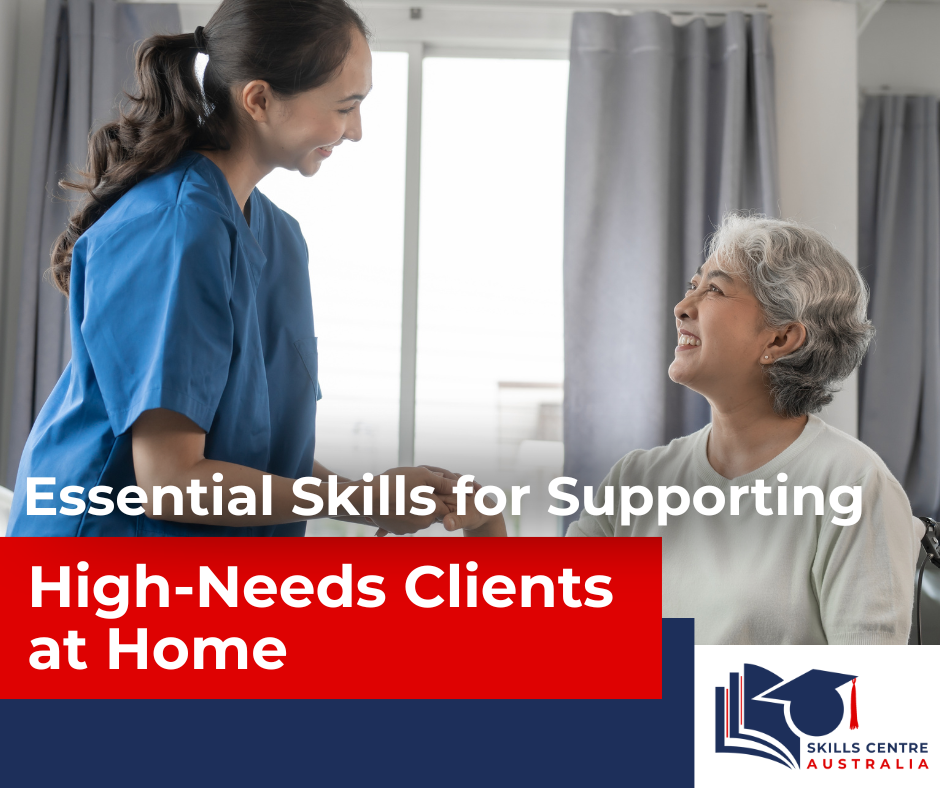
Supporting high-needs clients at home is one of the most complex and important roles in aged and disability care.
These clients may live with physical disabilities, complex medical conditions, psychosocial needs, or a combination of multiple support requirements. Home isn’t just where they live; it is where their dignity, safety, independence, and quality of life must be protected every day.
To deliver safe, effective, and person-centred care, particularly for high-needs clients and complex care at home, support workers require a strong foundation of practical skills, clinical awareness, and professional judgement. This is where quality training, like what we deliver at Skills Centre Australia, plays a critical role.
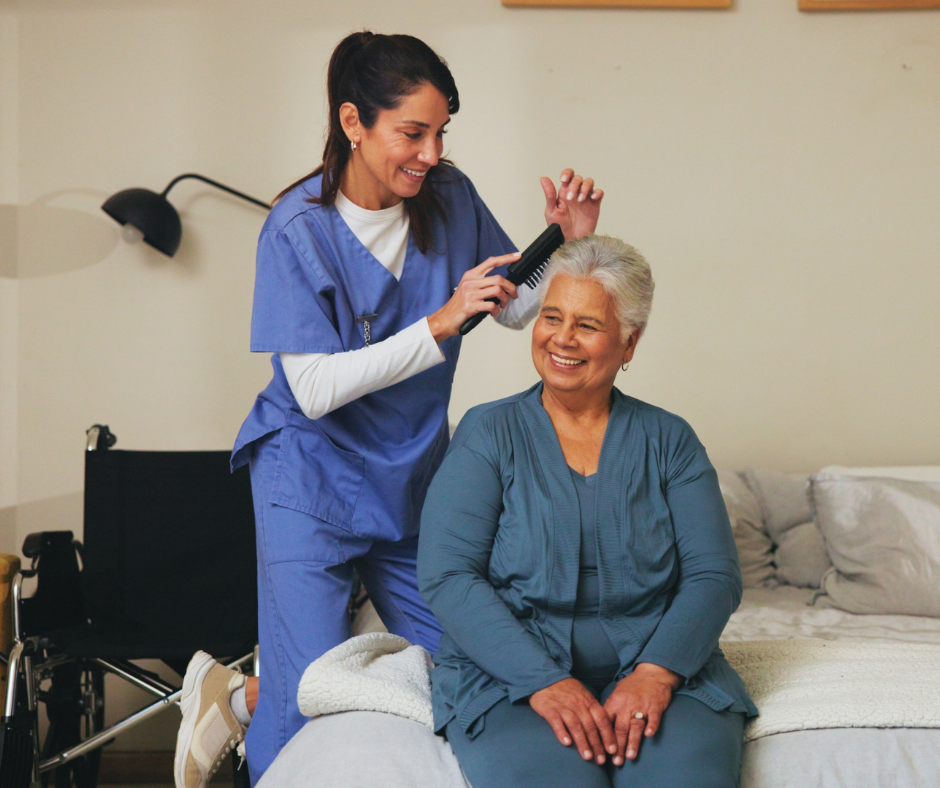
1. Personal Care Skills: Supporting Dignity and Daily Living
Personal care is often at the core of high-needs support. This can include assistance with:
- Showering and hygiene
- Toileting and continence care
- Dressing and grooming
- Transfers and mobility
- Eating and drinking
These tasks require more than physical assistance. Workers must understand privacy, consent, cultural sensitivity, infection control, and how to adapt support to each individual’s abilities and preferences.
For high-needs clients, poor personal care practices can quickly lead to serious consequences, including pressure injuries, infections, malnutrition, and loss of dignity. Well-trained staff know how to provide care that is safe, respectful, and empowering, and not rushed or just task-focused.
2. Clinical Awareness: Recognising Risks and Changes
While many support workers are not clinicians, clinical awareness is essential when working with high-needs clients.
This includes the ability to recognise:
- Changes in behaviour or mood
- Signs of pain, distress, or deterioration
- Skin integrity issues
- Breathing difficulties
- Seizures or medical episodes
- Medication side effects
High-needs clients may not always be able to communicate changes clearly. A skilled worker understands what “normal” looks like for their client and can identify when something is not right.
Clinical awareness allows workers to report and act early, preventing minor issues from becoming medical emergencies.

3. Documentation and Reporting: A Critical Safety Tool
Documentation is one of the most underestimated skills in support work, yet it is one of the most critical.
Accurate and professional documentation:
- Protects the client’s safety
- Supports continuity of care
- Enables effective communication between teams
- Provides legal and compliance protection
- Helps identify patterns and risks over time
High-needs clients often require detailed progress notes, incident reports, and health observations. Workers must know how to document objectively, clearly, and within organisational and legislative requirements.
Poor documentation can result in missed warning signs, miscommunication, and serious care failures.
4. Escalation and Professional Judgement
Knowing when and how to escalate concerns is a core skill for high-needs support.
This includes:
- Recognising red flags
- Understanding the duty of care
- Following organisational protocols
- Communicating concerns clearly
- Advocating for the client
Support workers are often the people who spend the most time with high-needs clients. Their judgment and confidence in escalating concerns can quite literally save lives.
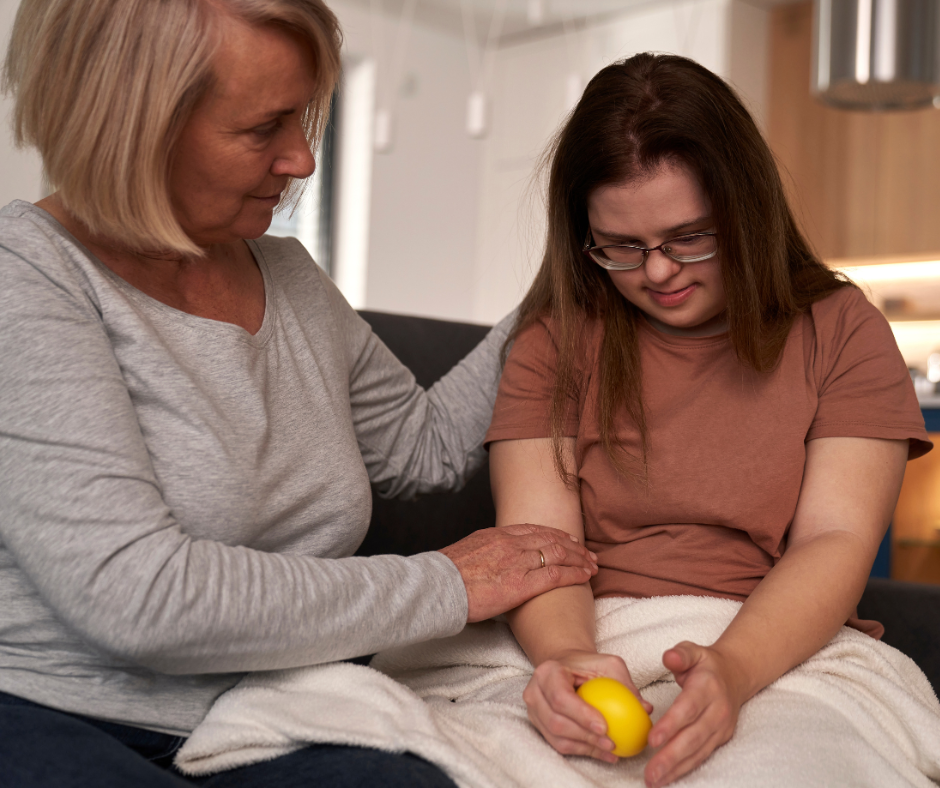
5. Emotional Intelligence and Behaviour Support
Supporting high-needs clients at home is not only about physical and clinical care. Many clients experience anxiety, trauma, frustration, or challenging behaviours.
Workers must have skills in:
- Emotional regulation
- De-escalation techniques
- Trauma-informed care
- Communication and rapport building
- Understanding behaviour as communication
Without proper training, workers may feel overwhelmed, unsafe, or burn out quickly. With the right skills, they can create calm, supportive environments that promote stability and trust.
Why Training Matters More Than Ever
The complexity of high-needs care continues to grow across the NDIS, aged care, and community sectors. At the same time, regulatory expectations around safety, quality, and professionalism are increasing.
Good intentions are not enough; support workers must be trained, competent, and confident to meet the real-world demands of high-needs care.
When support workers are properly trained, everyone benefits:
- Clients receive safer, more dignified care
- Workers feel confident and capable
- Providers reduce risk and improve quality
- Families gain trust and peace of mind
Supporting high-needs clients at home is a responsibility that requires the proper tools and expertise. With the right skills and the right training, it becomes an opportunity to make a profound and lasting difference in people’s lives.

Building Capability and Supporting High-Needs Clients at Home with Skills Centre Australia
At Skills Centre Australia, we focus on practical, industry-relevant training that prepares workers for the realities of supporting high-needs clients.
Our training supports workers to develop:
- Safe personal care practices
- Strong clinical awareness
- Professional documentation skills
- Effective communication and escalation
- Confidence in complex care environments
We believe quality care starts with quality training. By investing in workforce capability, providers improve client outcomes, reduce risk, and build safer, more resilient support teams.
Start your journey with training that makes a difference at Skills Centre Australia. Get in touch with our friendly team today by calling us on (08) 8340 6875, emailing us at info@kcskillscentre.com.au, or visiting our website, www.kcskillscentre.com.au.