

Every 27 minutes, someone in Australia is diagnosed with Parkinson’s disease.
While the condition is commonly associated with tremors, stiffness, and balance problems, another symptom is proving just as disruptive – persistent pain.
New research from the University of South Australia (UniSA) suggests that pain remains one of the most under-recognised and poorly managed aspects of Parkinson’s, highlighting the need for more personalised care and improved training across the health system.
More than 65,000 Australians with Parkinson’s experience ongoing pain, often alongside other non-motor symptoms such as fatigue, sleep disturbance, and anxiety.
Researchers say these symptoms can be just as debilitating as movement issues, and have a profound impact on quality of life.
For service providers, this gap in care can also translate into increased clinical escalation, avoidable hospital admissions, and greater pressure on frontline staff.
When pain is poorly recognised or managed, providers may also see higher rates of distress, unplanned care responses and increased support needs.
Training providers, such as Skills Centre Australia, focus on addressing these gaps by offering a Parkinson’s-specific course, providing knowledge and practical skills to better recognise and manage such complex symptoms.

Pain that is complex, and overlooked
Parkinson’s-related pain is not a single, uniform experience.
It can be musculoskeletal, neuropathic, or linked to rigidity and movement changes, and it often fluctuates as the disease progresses.
Despite this complexity, researchers found that many people struggle to access pain care that reflects their individual needs.
Two UniSA studies examining how people with Parkinson’s manage pain revealed significant gaps in support.
Many participants reported relying on trial-and-error approaches to find relief, often because tailored clinical guidance was unavailable or inconsistent.
In care settings, this trial-and-error approach can also heighten risk, increase workload, and reduce confidence among staff; particularly those responding to complex symptoms.
The value of personalised care
The research found that when pain care worked well, it was usually because health professionals took the time to understand the individual behind the diagnosis.
Participants identified five key features that shaped positive experience of pain care: empathy and understanding, active listening, clear explanations, Parkinson’s-specific knowledge, and treatment tailored to individual needs.
These elements were most consistently reported in care provided by Parkinson’s nurses and allied health professionals, including physiotherapists, occupational therapists, and pain specialists.
In contrast, experiences with general practitioners and neurologists were more variable, reflecting differences in training, time pressures, and access to specialist resources.
For providers, personalised care also supports greater consistency across teams.
When staff share a clear understanding of Parkinson’s-related pain, services are better positioned to deliver coordinated support, and respond early to changes in a person’s condition.

Why training can make a difference
Researchers say one of the clearest messages from the studies is the importance of training healthcare workers to better understand Parkinson’s-related pain.
While Parkinson’s specialist nurses and allied health practitioners were frequently praised for their expertise, the research highlighted inconsistencies across the broader health system.
Access barriers were particularly evident in rural and regional areas, where specialist services can be limited.
Improving training in Parkinson’s-specific pain management, researchers argue, would help ensure all health professionals are better equipped to recognise pain, explain treatment options clearly, and respond with tailored solutions.
For providers, this kind of training can help reduce unnecessary hospital presentations, support safer in-home care, and build staff confidence in managing complex symptoms before they escalate.
Courses like Skills Centre Australia’s Parksinson’s Care training, for instance, aims to support this by covering treatment approaches and practical caregiving techniques.
The role of multidisciplinary care
The UniSA research also reinforces the value of multidisciplinary care, an approach that brings together professionals from different disciplines to address both the physical and emotional aspects of Parkinson’s.
Pain management may involve medication review, physiotherapy, movement strategies, psychological support, and education, all coordinated around the person’s specific needs.
Researchers say this approach reduces reliance on trial-and-error methods and supports more sustainable, evidence-based outcomes.
For providers, multidisciplinary care can also streamline communication, and support clearer pathways for escalation and referral.
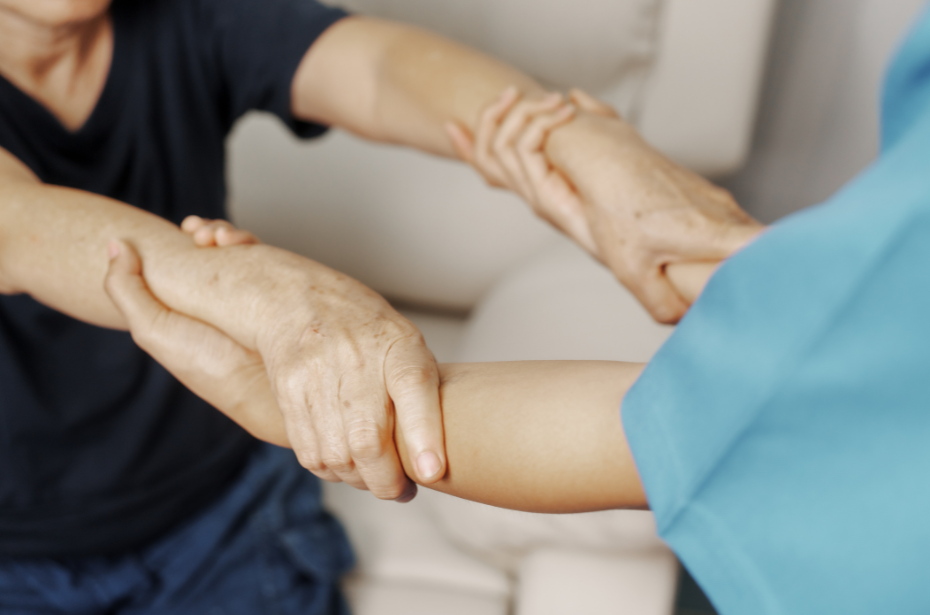
Improving quality of life through personalised care
The findings form part of UniSA’s broader work to improve quality of life for people living with neurological conditions.
Researchers say the message is clear: personalised care and targeted training can transform how pain is managed in Parkinson’s.
By embedding Parkinson’s-specific knowledge, empathy, and individualised treatment into everyday practice, health services can better respond to the complex realities of the condition.
This approach not only benefits clients, but also supports workforce capability, consistency, and confidence.
Training opportunities, such as Skills Centre Australia’s Parkinson’s Care course, support this approach by strengthening understanding of the disease, its symptoms, and caregiving needs.
As Parkinson’s diagnoses continue to rise, researchers say investing in training and multidisciplinary, personalised care will be essential – not only to manage symptoms, but to help people with Parkinson’s live fuller, less painful lives.